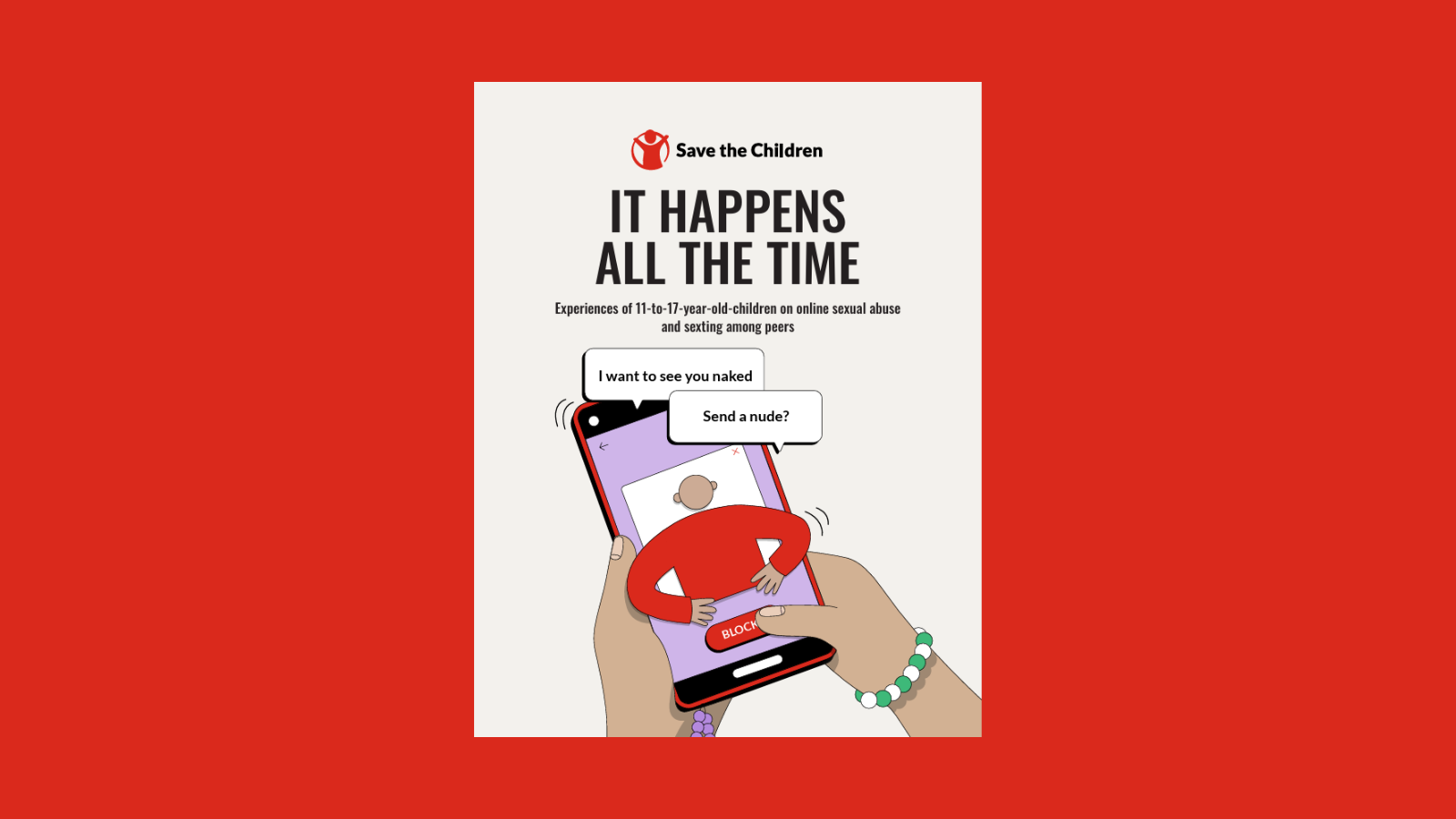
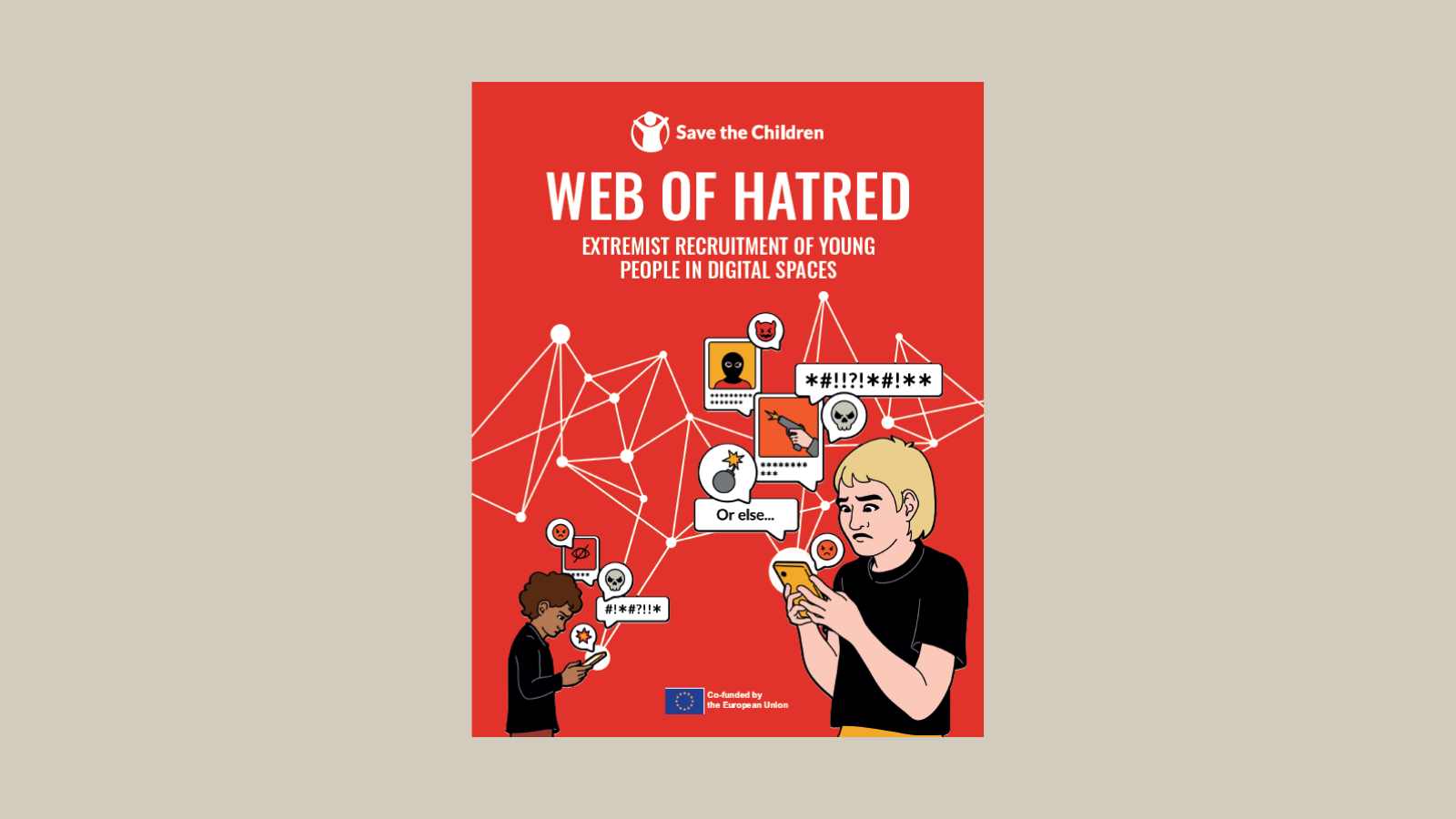
The violent radicalization of children and young people online has become a significant concern both in Finland and internationally. Extremist recruitment refers to the attitude‑shaping efforts of extremist groups, aiming to normalize violent mindsets and practices, attract new supporters to their ideology, and destabilize democracy. A violent extremist movement is an organized group that justifies and uses violence on ideological grounds. These groups skillfully exploit digital platforms to reach young people.
Societal instability increases the appeal of extremist ideologies. A weakening economic situation, growing value-based polarization, and overlapping crises may all contribute to this development. In their propaganda, extremist actors seek to channel feelings of worry, threat, and injustice into fuel for their activities. They are becoming increasingly adept at using the opportunities offered by digital environments, allowing them to reach especially young people through recruitment. Children and young people are particularly vulnerable due to their stage of development, which makes them more susceptible to influence attempts — and therefore attractive targets for recruitment.
“The majority of young people encounter content rooted in extremist ideologies online in one form or another. Not all content openly encourages violence; much of it is subtle attitude-building disguised as humor, pop culture, or gamification. Extremist material can be found on nearly all major social media platforms, including TikTok and Telegram, which are familiar to many children,” says Rosa Haavisto, an expert in Save the Children Finland’s work against extremism.
The evolution of digital environments has been significantly faster than changes in legislation, even though the EU in particular has taken determined steps in recent years to address the issue. Still, it is clear that legislation alone cannot prevent these risks. Children and young people need diverse support, skills, and encouragement to be able to resist even sophisticated influence attempts by extremist movements in digital spaces. Youth workers and other professionals working with children play a crucial role in this.
This publication examines the current state of extremist online recruitment targeting children and young people. It describes the complex web of hatred that children are often exposed to without any intent of their own. For professionals, the publication offers guidance for working with this issue, and for policymakers it presents recommendations on how to prevent online recruitment of young people. Save the Children Finland recommends, above all, investing in digital youth work and increasing the presence of professionals in digital environments.